


CONCERNS
Acne and Breakouts in Nottingham
YOUR BEAUTY DOCTOR - NOTTINGHAM
Regular breakouts can be painful and frustrating, especially when they keep returning in the same places. You may have tried a long list of products and still find spots, congestion or post-acne marks affecting how your skin looks and feels.
At Your Beauty Doctor in Mapperley, Nottingham, we look at the type of acne, the pattern of breakouts and your current routine before recommending treatment. We also explain when medical care should come first, and when a clinic treatment may help alongside it.
You do not need to change the way you look to ask for advice!
Understanding Acne and Breakouts
Acne is a common inflammatory skin condition affecting the hair follicles and oil glands. It can cause blackheads and whiteheads, red bumps, pus-filled spots and, in more severe cases, deeper painful lumps. It most often appears on the face, but the chest, shoulders and back can also be affected.
Acne is not limited to the teenage years. Many people first notice it, or see it return, in their twenties, thirties or forties. Rosacea, irritation from products and some other conditions can look similar, so the pattern of spots matters before any treatment is chosen.
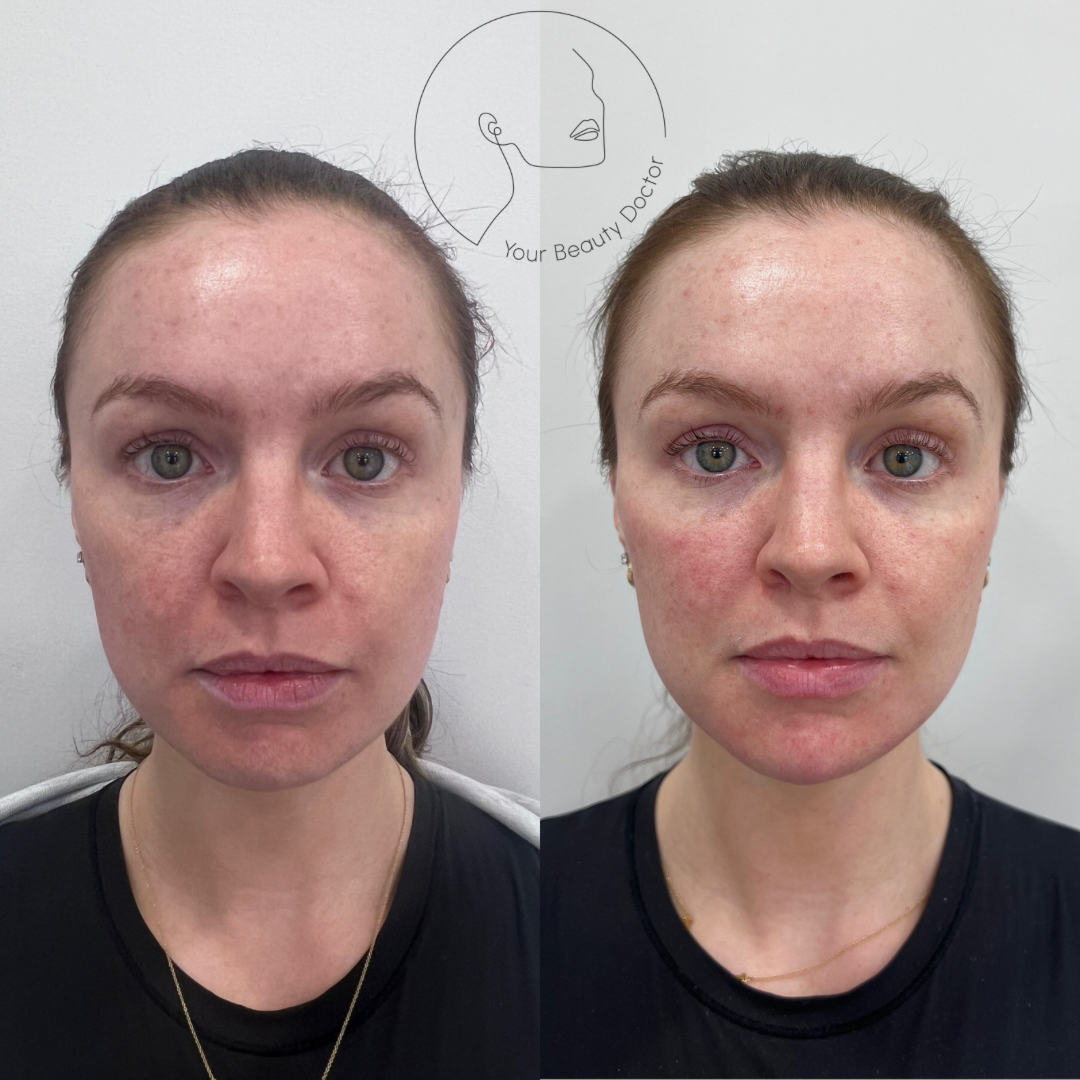
What Causes Acne and Breakouts?
CAUSES
Blocked Pores and Oil Production
Breakouts begin when oil and dead skin cells build up inside a follicle and block it. Skin that produces more oil is more prone to congestion, blackheads and whiteheads.
Bacteria and Inflammation
Bacteria that normally live on the skin can multiply inside a blocked follicle. The inflammation that follows produces red, tender spots. Deeper inflammation is more likely to leave marks or scars.
Hormones
Hormonal changes can increase oil production. Some people notice breakouts around the jawline and chin that follow their cycle. Persistent hormonal acne, especially with irregular periods or unwanted hair growth, needs medical assessment.
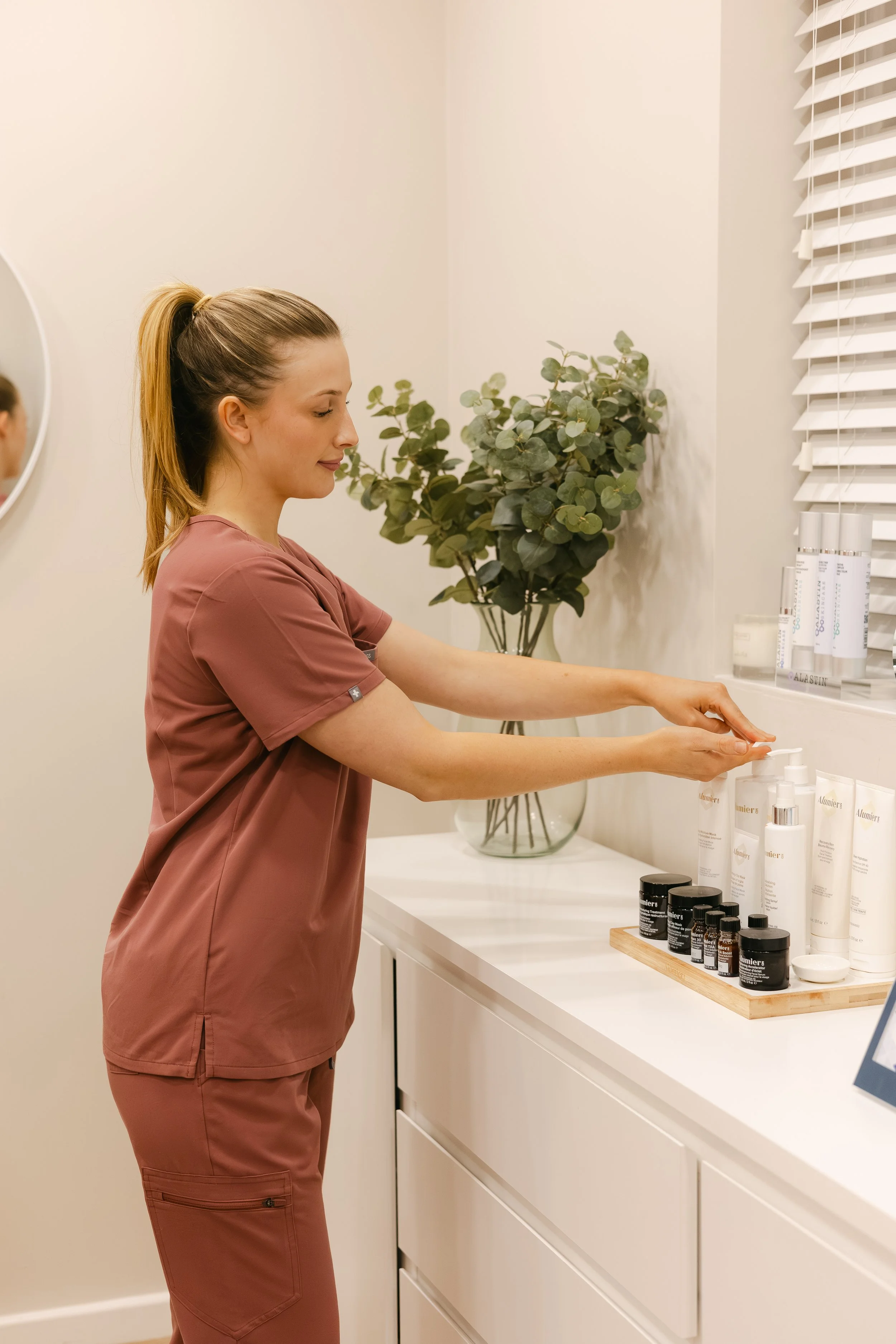
Can Home Care Help?
WHAT MAY HELP
A gentle, consistent routine helps. Cleanse twice daily without scrubbing, use non-comedogenic products and wear daily broad-spectrum sun protection. Avoid squeezing or picking spots, as this increases inflammation and the risk of marks and scarring.
ITS LIMITATIONS
Mild acne often improves with the right skincare, but it takes time, usually several weeks. Layering many strong actives at once can leave the skin sore and inflamed. If your acne is painful, widespread, leaving scars or affecting your confidence, seek medical advice. Prescription treatment may be needed alongside or before any cosmetic procedure.
Acne Treatment Options in Nottingham
TREATMENT OPTIONS
Skin Consultation and Analysis
Treatment starts with understanding your skin. A digital skin analysis can show congestion, oil and redness that are hard to judge in a mirror, and helps us track change over time.
Forever Clear BBL
Forever Clear BBL is a broadband light treatment for active, inflammatory breakouts. Blue light targets acne-causing bacteria, yellow light helps calm redness, and infrared light gently warms the skin. A course is usually recommended. It will not correct a hormonal cause on its own, and deeper skin tones need careful assessment before any light-based treatment.
Chemical Peels
A medical-grade peel may help with congestion, blackheads and uneven texture in blemish-prone skin. Peels are not suitable when the skin is actively inflamed, broken or already irritated from strong products.
Medical-Grade Skincare
The right home routine is the foundation of any acne plan and helps maintain results between treatments. On its own, it is unlikely to be enough for moderate or severe acne.
Medical Care When Needed
Some acne needs prescription treatment. If your breakouts are deep, painful, scarring or clearly hormonal, we will explain when GP or dermatology care should come first, and how clinic treatments can fit alongside it.
Bespoke Facials
A facial adapted on the day may support the skin barrier and help with maintenance. It does not replace treating the cause of breakouts.
When Breakouts Leave Acne Scars
As acne settles, it can leave two different things behind. Flat red or brown marks are changes in colour and often fade over time. Acne scars are changes in the structure of the skin, such as small dents, rolling or boxcar scars, deep narrow ice-pick scars or, less often, raised scars.
The most useful thing you can do to prevent scarring is to bring active acne under control early and avoid picking. Scar treatment is usually planned once breakouts are settled, because new inflammation can create further scars and affect whether a procedure is suitable.
Treatment Options for Acne Scars
SkinPen microneedling may help soften suitable rolling and boxcar scars by stimulating the skin's healing response. Improvement is gradual over a course. Explore SkinPen microneedling
Skincare and selected peels can help with flat marks left after breakouts. Improving colour helps the overall appearance but does not change scar depth.
Specialist assessment may be more useful for deep ice-pick scars, tethered scars or raised scars, which often need techniques beyond these options.
No treatment removes acne scars completely. The aim is a worthwhile softening of texture with an honest view of what will remain.
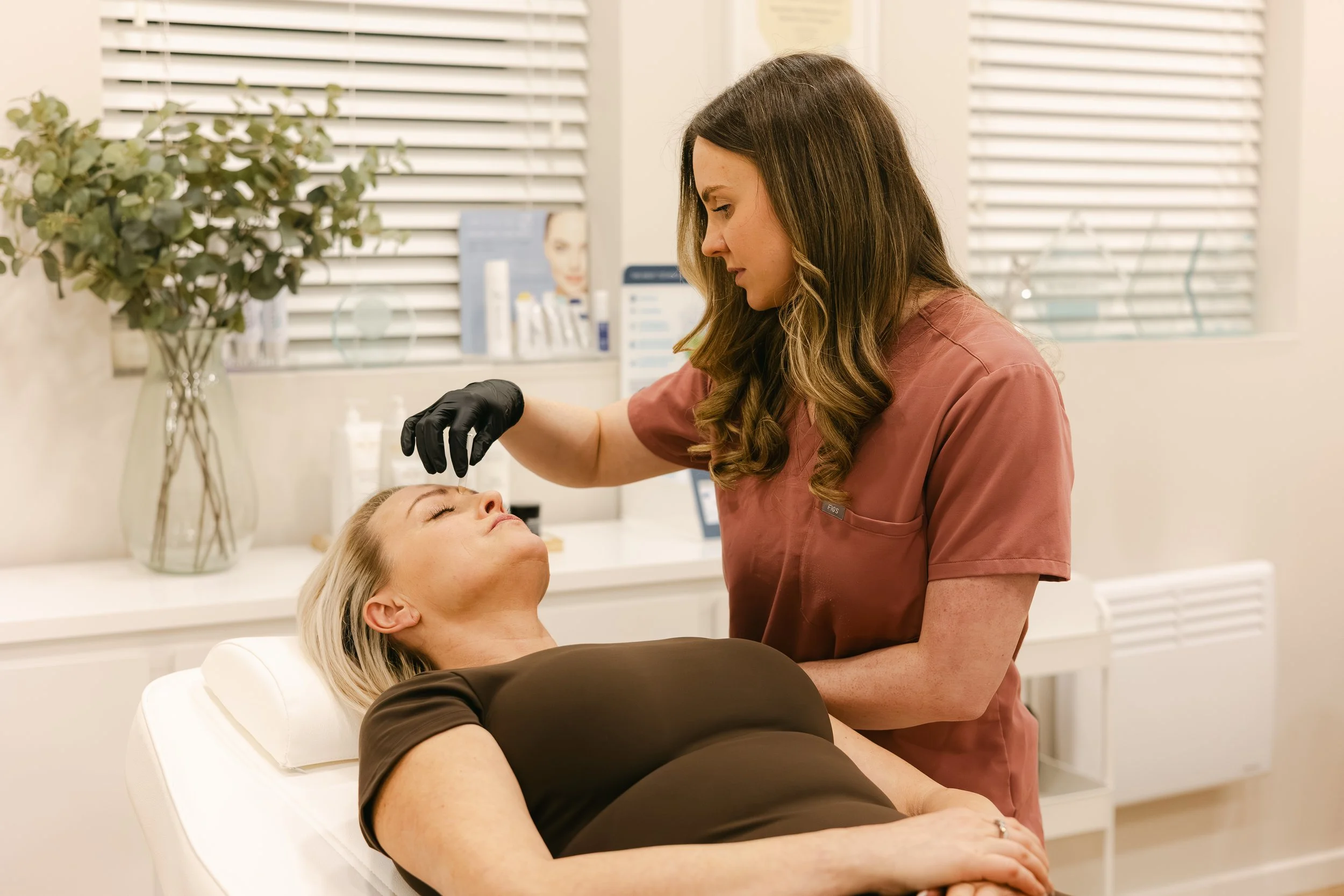
Choosing the Right Approach for You
We look at the type of spots, where they appear, how long you have had them and whether they follow your cycle. Your current routine, previous treatments, any prescribed medicines, your skin tone and any marks or scars all shape the advice.
There is no single best treatment for acne. Active bacterial breakouts, congestion, hormonal acne and scarring each need a different plan. If your skin barrier is already sore from strong products, we may deliberately do very little at first. Calming the skin comes before treating it harder.
DOCTOR’S ADVICE
Dr. Jess Advice on Acne and Breakouts
“The first thing I look at is the pattern. Spots that cluster around the jaw and flare with your cycle tell a different story from congestion across the forehead or inflamed spots across the cheeks. The mistake I see most often is a routine built for teenage skin, with harsh washes and acids layered on acids, leaving the skin inflamed partly because of the products. Often the first step is to take things away. Light-based treatment can be very useful for active breakouts, but it will not fix a hormonal driver, and I would rather refer you or work with your GP than sell you a course that only treats the surface. The aim is calmer, more predictable skin, with scarring prevented where we can.”
Dr Jessica Halliley • Aesthetics Doctor and GP
MBChB (Hons), MRCGP, DRCOG, PGDipAes

WHAT TO EXPECT
Your patient journey at Your Beauty Doctor
STEP 1
Understanding Your Breakouts
We discuss your acne history, routine, cycle and any medicines, then examine the skin and, where useful, carry out a skin analysis.
STEP 2
Agreeing a Realistic Plan
We explain which parts of the problem may respond to clinic treatment, which need medical care and whether scarring needs separate attention. Costs and risks are discussed.
Treatment and Aftercare
STEP 3
If you proceed, we explain preparation and aftercare for your treatment. Timing may change if your skin is flaring or you are taking acne medication.
STEP 4
Reviewing Progress
We review your skin, and photographs where agreed, after the appropriate interval. Further sessions depend on response, with your home routine kept as the foundation.
What Results Can You Expect?
A suitable plan may reduce the number and severity of breakouts, calm redness and make the skin feel more manageable. Change is gradual, usually over weeks to months, and acne can flare again with hormonal changes, stress or a change in routine. Maintenance is often part of the plan.
Light-based treatment can cause temporary redness, warmth and sensitivity, and carries risks including pigment change and burns. Peels can cause dryness and peeling. Strict sun protection is needed around treatment. Your skin type and history affect the risks, and these should be explained before you start.
Frequently Asked Questions about Acne and Breakouts
-
The process in the skin is similar, but adult acne is more often linked to hormones, stress and products, and tends to sit around the lower face. It may need a gentler, more targeted approach than teenage skincare.
-
It can calm inflammation and target bacteria in active breakouts, but it does not change the hormonal driver. Hormonal acne often needs medical management alongside clinic treatment.
-
A course is usually recommended, with the number agreed after assessment. Progress is reviewed before any further sessions are added.
-
Some medicines affect whether and when a procedure is safe. Tell us about everything you take, including creams, so treatment can be timed correctly.
-
Light-based treatments need extra care on deeper skin tones because of the risk of pigment change. We assess suitability first and may recommend a different route.
-
No. Squeezing pushes inflammation deeper and increases the risk of marks and scarring. Leave spots alone and seek advice if they are painful or frequent.
-
Usually, yes. Active breakouts can create new scars and may make scar treatment unsuitable, so acne is brought under control first.
-
They can look alike. Widespread redness, flushing and stinging with wind, heat or alcohol may point to rosacea, which needs different care. Assessment helps tell them apart.

Let's Talk
If breakouts keep returning, book a Nottingham consultation to understand what is driving them. We will explain suitable options, including when medical care should come first.