

Microneedling vs Chemical Peel in Nottingham: Which Is Better for Your Skin Concern?
Microneedling and chemical peels can both improve the skin, but they do it in very different ways. One creates controlled micro-channels to trigger a healing and collagen response. The other uses carefully selected acids to loosen and remove surface cells and stimulate renewal.
So if you are deciding between the two, the most useful question is not 'Which treatment is stronger?' It is 'What am I actually trying to improve?'
At Your Beauty Doctor in Nottingham, we use both SkinPen microneedling and medical-grade chemical peels. They are not interchangeable, and there are situations where one makes much more sense than the other.
Microneedling vs Chemical Peel: the simple difference
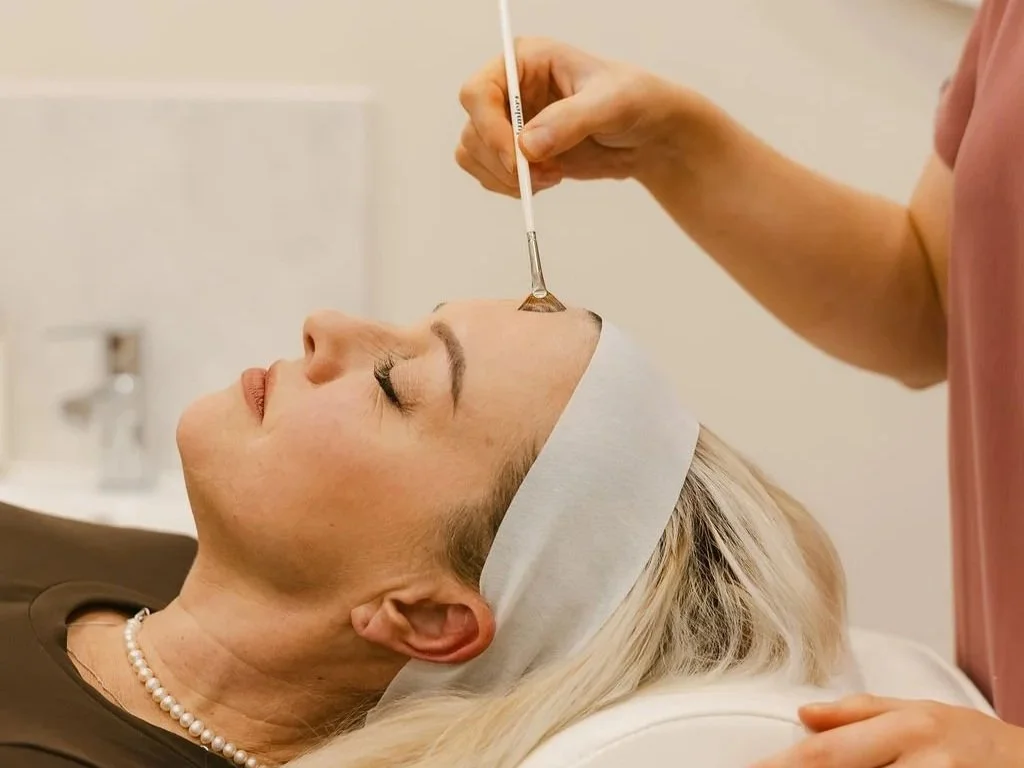
Microneedling is a mechanical treatment. Fine sterile needles create controlled channels in the skin, which starts a wound-healing response and stimulates new collagen and elastin.
A chemical peel is a chemical resurfacing treatment. Acids are applied in a controlled way to loosen the connections between surface skin cells, encouraging exfoliation and renewal.
What is microneedling usually best for?
Microneedling is particularly useful when we want to improve the structure and texture of the skin. At YBD, SkinPen microneedling is used for concerns including acne scarring, enlarged pores, fine lines, stretch marks and uneven texture.
Because the treatment relies on your own healing response, the most meaningful changes develop gradually rather than appearing as a one-day glow.
What is a chemical peel usually best for?
Chemical peels can be excellent for dullness, congestion, superficial pigmentation, uneven tone and selected acne concerns. The formula and strength matter, which is why a professional peel should be selected for the skin rather than chosen by percentage alone.
At YBD, our medical-grade chemical peels are tailored to the skin and the concern being treated.
Which is better for acne scars?
For indented or textural acne scars, microneedling is usually the more relevant of the two because the goal is to remodel collagen within the skin.
A peel may still be useful where post-acne pigmentation, congestion or surface texture is part of the picture. Some patients need a staged plan rather than one single treatment.
Which is better for pigmentation?
It depends on the type and depth of pigmentation. Superficial sun damage or uneven tone may respond well to a carefully selected peel, while other pigmentation concerns need a different approach altogether.
Pigmentation should be assessed properly before treatment because not every dark mark behaves in the same way, and some conditions can worsen if treated too aggressively.
Which is better for fine lines and ageing skin?
Microneedling is often chosen when the priority is collagen stimulation, fine lines and overall skin strength. Chemical peels can also improve fine surface lines, brightness and texture by increasing skin turnover.
This is a good example of two treatments potentially helping the same broad concern through different mechanisms.
Which has more downtime?
Downtime depends on treatment intensity and individual skin response. SkinPen commonly leaves the skin red and warm for a short period, while a peel can range from very mild flaking to more visible shedding depending on the formulation.
I would never choose a treatment purely on the basis of which one sounds like it has less downtime. The safest and most effective option still needs to suit the skin concern and your lifestyle.
Can darker skin tones have microneedling or chemical peels?
Both treatments may be options for a wide range of skin tones, but the treatment plan has to be appropriate. The risk of post-inflammatory pigmentation is one reason assessment, device choice, peel formulation and aftercare matter.
Can you combine microneedling and chemical peels?
They can sit within the same longer-term skin plan, but they are not normally something I would stack together simply because more treatment sounds better. We decide what the skin needs first, then space and sequence treatments appropriately.
Our medical-grade facials guide explains how we think about moving from lighter skin treatments into more corrective options such as peels and microneedling.
Which treatment should you choose?
As a general guide, I think about the dominant concern:
Acne scarring and deeper texture: microneedling is often the stronger starting conversation.
Dullness, congestion and superficial uneven tone: a peel may be a better fit.
Fine lines and general skin quality: either may be useful depending on the skin.
Complex pigmentation or sensitive skin: assessment comes before treatment choice.
If you are unsure, a skin analysis and consultation can help us understand what is happening below the surface before deciding on treatment.
Book a skin consultation in Nottingham
There is no prize for choosing the most intensive treatment. The right plan is the one that matches your skin, your concern and the amount of downtime you are comfortable with. We can help you compare the options at our Nottingham clinic and build a realistic plan.
Frequently asked questions
Is microneedling better than a chemical peel?
Neither treatment is universally better. Microneedling is often chosen for collagen remodelling, acne scars and deeper texture, while chemical peels can be especially useful for dullness, congestion and selected superficial pigmentation.
Which is better for acne scars, microneedling or a peel?
Microneedling is usually the more relevant option for indented or textural acne scars because it is used to stimulate collagen remodelling. Peels may still help with post-acne pigmentation and surface congestion.
Which is better for pigmentation?
The answer depends on the type and depth of pigmentation. Some superficial pigmentation responds well to a carefully selected peel, while other pigmentation concerns need a different or more cautious approach.
Can I have microneedling and chemical peels in the same treatment plan?
Yes, they can be used at different points in a longer-term skin plan when there is a clear reason. They should be sequenced according to skin condition, recovery and the concern being treated.
Which has more downtime, microneedling or a chemical peel?
Downtime varies with treatment intensity and individual response. Microneedling often causes short-term redness and warmth, while peels can range from mild flaking to more visible shedding depending on the formulation.
How do I choose between microneedling and a chemical peel?
Start with the main skin concern. Texture and scarring may point towards microneedling, while dullness, congestion or superficial uneven tone may point towards a peel. A skin consultation can confirm which approach is more appropriate.
