

Dark Circles Under the Eyes in Nottingham: Why They Happen & Which Treatments Can Help
Dark circles can make the face look tired even when you feel perfectly well. The difficult part is that 'dark circles' are not one single problem. The shadow under one person's eyes may come mainly from pigmentation, while another person's is caused by a hollow tear trough, thin skin, puffiness or a combination of several factors.
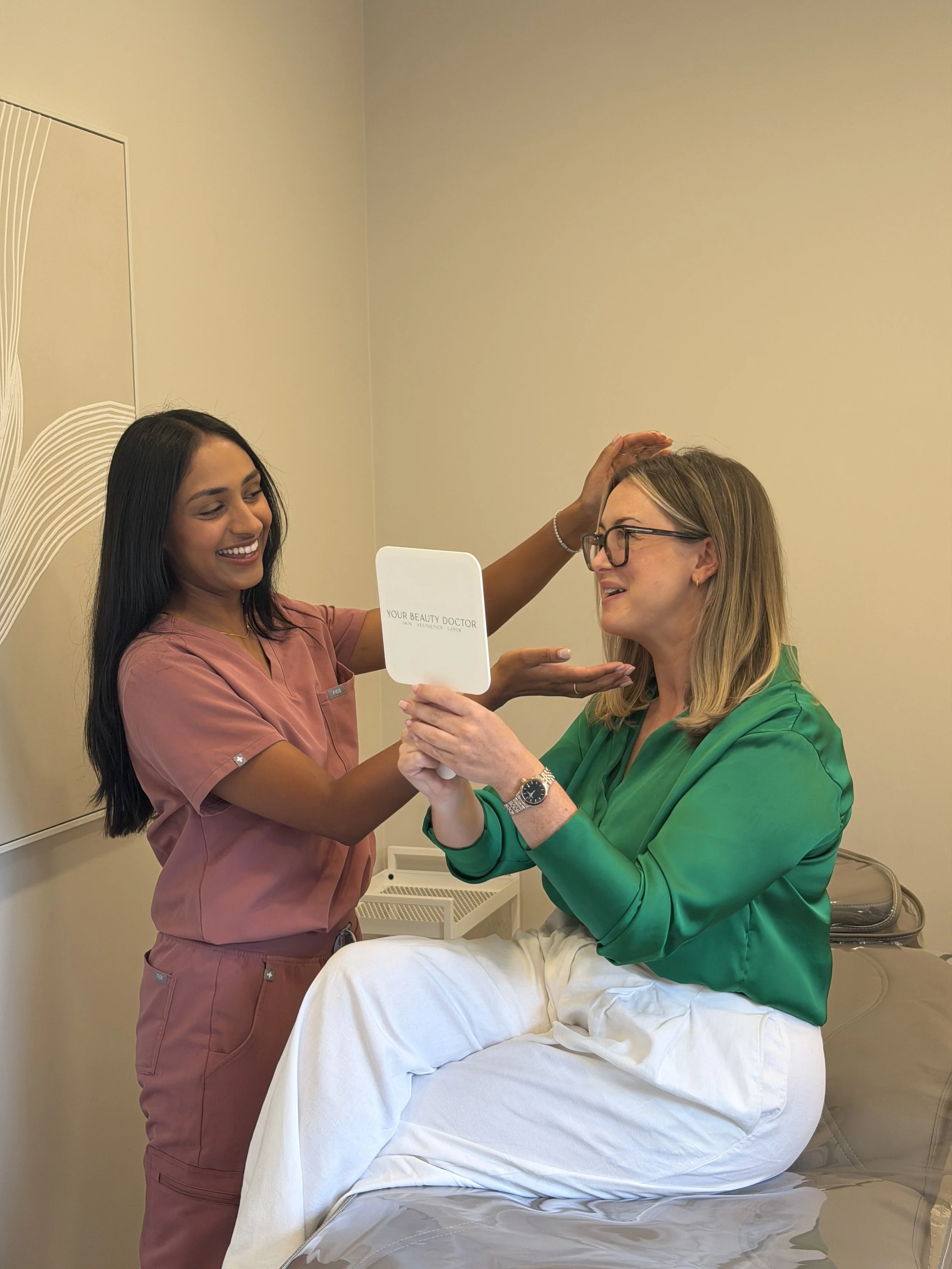
That distinction matters. A treatment that improves skin quality will not correct a significant structural hollow, and adding volume will not necessarily improve true pigmentation. At Your Beauty Doctor, the starting point is therefore not choosing a product. It is working out what is actually creating the darkness in the first place.
Why do dark circles under the eyes happen?
The skin around the eyes is naturally thin and the area contains several structures that can influence colour, contour and shadow. This is why two people with apparently similar dark circles can need very different advice.
Natural pigmentation
Some people naturally have more pigment beneath the eyes, while sun exposure, irritation and genetics can make the area look darker. In these cases, the colour is present in the skin itself rather than being created mainly by a hollow or shadow. Treating volume alone will not address that underlying pigment.
Thin or crepey under-eye skin
As the skin becomes thinner, underlying blood vessels and deeper tissues can show through more easily. Fine lines and crepiness can also scatter light differently, making the area look duller or more shadowed. This is where improving skin quality may be more relevant than adding volume.
Under-eye hollows and shadowing
A tear trough hollow creates a change in contour between the lower eyelid and upper cheek. Light catches the raised areas and leaves the hollow in shadow, so the eye can look dark even when there is little actual pigmentation. Structural support in the cheeks can also influence how pronounced this shadow appears.
Puffiness and eye bags
Puffiness is different again. A raised eye bag can cast a shadow beneath it, while fluid retention may make the area look heavier at certain times of day. This is one reason under-eye filler is not suitable for everyone: adding more product to an area already prone to swelling may not solve the problem and can sometimes make it look worse.
Lifestyle and other contributing factors
Poor sleep, dehydration and allergies can make dark circles look more noticeable, but they are rarely the whole explanation when the concern is persistent. Rubbing the eyes and irritation can also influence the appearance of the skin. If a change is sudden, marked or accompanied by other symptoms, cosmetic treatment should not be the first step; appropriate medical assessment may be more important.
Why the cause matters before choosing treatment
There is no single “best treatment for dark circles”. A useful consultation separates colour, skin quality, structure and swelling rather than treating them as the same issue.
Treatments that may be considered for dark circles
Treatment should follow the diagnosis of the concern, not the other way around. Depending on what is seen during assessment, options may include regenerative skin treatments, structural filler or treatments aimed at skin tone and texture.
Polynucleotides for skin quality
Polynucleotides are used at Your Beauty Doctor as a regenerative injectable option, including around the eyes. They may be considered when the focus is thin, crepey skin, fine lines or overall under-eye skin quality rather than replacing missing facial volume. For the full treatment protocol, number of sessions and current pricing, see the polynucleotides treatment page.
Sunekos for thin or crepey under-eye skin
Sunekos combines hyaluronic acid with amino acids and is used as a skin-quality treatment rather than a structural filler. It can be considered for delicate areas where the objective is to improve hydration and the quality of the skin. Read more on the Sunekos treatment page.
Tear trough or mid-face filler for structural hollowing
When darkness is mainly being created by a hollow or loss of support, a structural approach may be more relevant. Tear trough filler is designed to soften the groove beneath the eye, while cheek support may be considered where mid-face volume loss contributes to the under-eye shadow. Filler is not suitable for every patient, particularly where swelling or significant crepiness is present. See the tear trough filler page for treatment-specific information.
Skin and pigmentation treatments
If the darkness is primarily pigment rather than shadow, the plan may need to focus on skin tone, sun damage or irritation. That can involve skincare and, where appropriate, in-clinic skin treatments. The important point is that pigment-led dark circles should not automatically be treated as a volume problem.
Polynucleotides or tear trough filler: they solve different problems
It is tempting to compare polynucleotides and tear trough filler as if one has replaced the other, but they have different roles. Tear trough filler is a structural treatment used to address an appropriate hollow. Polynucleotides are used to support skin quality. If the problem is mainly pigmentation, puffiness or another cause altogether, neither may be the right first choice.
Some patients benefit from a staged plan: for example, improving skin quality first and reassessing whether any structural correction is still needed. Others may need cheek support rather than direct treatment under the eye. This is why assessment matters more than choosing a treatment from photographs alone.
What happens during an under-eye assessment?
A useful under-eye assessment looks at the face as a whole. Your clinician may consider:
the thickness and quality of the under-eye skin
whether the darkness is pigment, visible vascular colour or shadow
the depth of any tear trough hollow
cheek and mid-face support
puffiness or fluid retention
facial proportions and asymmetry
previous filler or other aesthetic treatments
relevant medical history and any factors that could affect suitability
The aim is to identify the dominant cause and avoid treating the wrong problem. In a delicate area such as the lower eyelid, a conservative plan is usually more useful than trying to correct everything at once.
What results are realistic?
The outcome depends on what is creating the dark circle. Structural shadow may soften when support is restored in an appropriate candidate. Crepey skin may improve gradually with treatments aimed at skin quality. Pigmentation can be more persistent and may need a different strategy. Where several factors are involved, improvement may be gradual rather than immediate.
The realistic aim is usually to make the under-eye area look fresher and better supported, not to promise that every trace of darkness will disappear.
When cosmetic treatment may not be the answer
Not every dark circle needs an injectable or aesthetic treatment. If the change has appeared suddenly, is markedly different on one side, is associated with significant swelling or other symptoms, or simply does not fit a typical cosmetic pattern, medical assessment may be more appropriate. A good consultation should be able to say when treatment is unlikely to help as well as when it may be useful.
Frequently asked questions about Dark Circles under eyes
What is the best treatment for dark circles under the eyes?
There is no single best treatment because dark circles can be caused by pigment, thin skin, structural hollowing, puffiness or a mixture of these. The most appropriate option depends on which factor is dominant.
Can under-eye hollows cause dark circles?
Yes. A hollow can create shadow beneath the eye even when the skin itself is not heavily pigmented. This is why assessing facial structure is important before deciding on a treatment.
Are polynucleotides better than tear trough filler?
They are not direct substitutes. Polynucleotides are used to support skin quality, while tear trough filler is a structural treatment for suitable hollows. The right option depends on the cause of the concern.
Can skin boosters improve dark circles?
They may help where thin, dehydrated or crepey skin contributes to the appearance, but they will not correct every cause of dark circles. Pigmentation, significant hollowing or puffiness may need a different approach.
Why do I still have dark circles even when I sleep well?
Sleep can affect how tired the eyes look, but persistent dark circles are often influenced by anatomy, pigmentation, skin thickness, allergies or shadows. Good sleep does not necessarily remove these factors.
Can dark circles be removed completely?
Complete removal cannot be guaranteed. The goal is to identify what is creating the darkness and improve the factors that can realistically be treated while preserving a natural appearance.
Book an under-eye assessment
If you are unsure whether your concern is pigmentation, skin quality, puffiness or a structural hollow, a consultation can help separate the different causes before you commit to treatment. At Your Beauty Doctor, under-eye plans are based on facial assessment rather than a one-treatment-fits-all approach.
