

Sculptra vs Radiesse: Which Collagen-Stimulating Treatment Is Right for You?
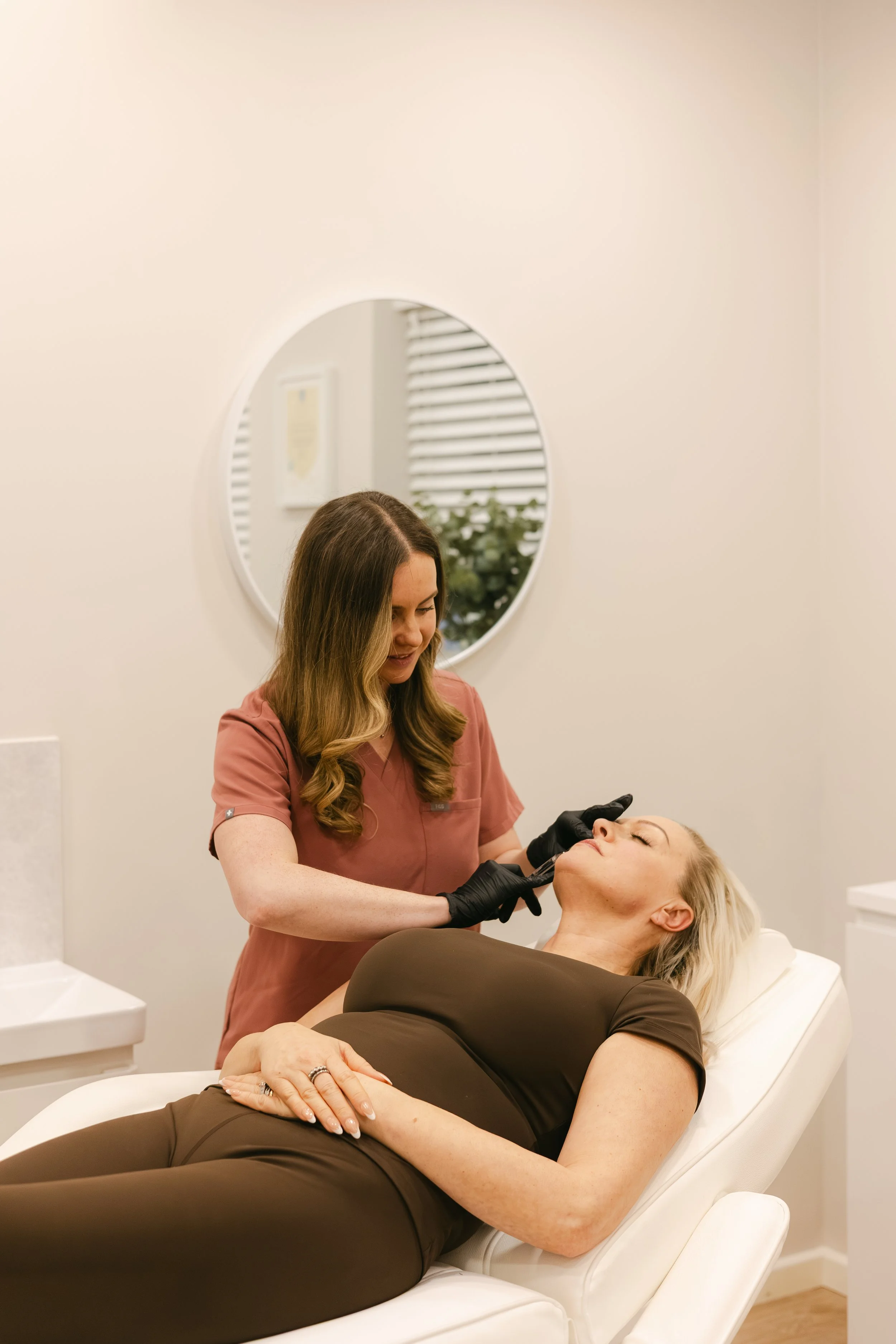
Over the past few years, there has been a noticeable shift in aesthetics. Patients are moving away from wanting filler, and instead looking for regnerative treatments that improve skin quality, restore structure naturally, and support long-term ageing well.
This is where regenerative injectables such as Sculptra and Radiesse come in.
Both treatments work differently to dermal filler. Rather than simply adding volume, they stimulate your body’s own collagen production to improve skin quality, firmness, and structure over time.
At Your Beauty Doctor, we specialise in Sculptra treatments in Nottingham, using it as part of a carefully planned, medically-led approach to facial rejuvenation.
What Is Sculptra?
Sculptra is a collagen-stimulating injectable treatment made from poly-L-lactic acid (PLLA).
Rather than acting as a traditional filler, Sculptra works gradually by encouraging your skin to rebuild its own collagen over time. This helps restore facial structure, improve skin quality, and create subtle, natural-looking rejuvenation. Just you at your best.
Results develop progressively over several months, making it ideal for patients wanting a softer, more natural approach to ageing.
What Is Radiesse?
Radiesse is another collagen-stimulating injectable made from calcium hydroxylapatite (CaHA).
It provides more immediate structure and support at the time of treatment, while also stimulating collagen production longer term.
Radiesse is often used for areas requiring firmer structural support, particularly the lower face and jawline.
What’s the Difference Between Sculptra and Radiesse?
While both treatments stimulate collagen, they behave quite differently in the tissue.
Sculptra
Gradual collagen stimulation
Softer, more subtle progression
Excellent for overall facial rejuvenation
Improves skin quality as well as structure
Best for patients wanting natural-looking restoration over time
Longer lasting results
Radiesse
More immediate structural support
Firmer correction initially
Often used for contouring and definition
Collagen stimulation occurs alongside the initial volumising effect
The right choice depends entirely on your facial anatomy, skin quality, goals, and how you want your results to evolve.
Why We Choose Sculptra at Your Beauty Doctor
At Your Beauty Doctor, our philosophy has always been centred around natural, long-term results.
For this reason, we use Sculptra within clinic.
Sculptra allows us to restore collagen gradually and harmoniously, without creating sudden or obvious change. It works beautifully for patients experiencing:
Facial hollowing
Loss of skin elasticity
Thinning or crepey skin
Early facial sagging
Volume loss following weight loss
General age-related collagen decline
The results are progressive, subtle, and incredibly elegant when planned properly.
Why Collagen Matters So Much
From our 20s onwards, collagen production naturally declines every year. This affects:
Skin firmness
Elasticity
Facial support
Skin thickness
Overall facial structure
Many of the visible signs of ageing are actually related to collagen loss beneath the skin.
This is why regenerative treatments such as Sculptra are becoming so popular. Rather than simply masking ageing, they support the skin’s underlying structure.

Who Is Sculptra Suitable For?
Sculptra is particularly suitable for patients wanting:
Natural rejuvenation
Gradual improvement
Better skin quality
Facial structure restoration
Prevention-focused ageing support
It’s especially effective in patients noticing:
Hollow cheeks or temples
Softening jawlines
Weight-loss related facial changes
Thinning skin
Early skin laxity
What Areas Can Be Treated with Sculptra?
Common treatment areas include:
Cheeks
Temples
Jawline
Lower face
Smile lines
Neck
Hands
Arms
Buttocks
What to Expect After Sculptra Treatment
Sculptra is not an instant-result treatment, and that’s actually one of its biggest strengths.
Initially, you may notice some fullness from the sterile water used during treatment, but this settles over the following days.
Your real results develop gradually over the next few months as collagen production increases.
This slow progression means:
Results look extremely natural
Friends often notice you look fresher without knowing why
The skin improves progressively over time.
How Many Sculptra Treatments Will I Need?
This depends on your age, collagen levels, and treatment goals. Most patients require a course of 3 treatments spaced several weeks apart to achieve optimal collagen stimulation. During your consultation, we create a tailored treatment plan based on your facial structure and long-term goals.
Why a Consultation Matters with Sculptra.
Collagen stimulators are not “one size fits all”.
Choosing between treatments such as Sculptra and Radiesse requires a detailed understanding of:
Facial anatomy
Skin quality
Ageing patterns
Volume loss
Your long-term aesthetic goals
At Your Beauty Doctor, we take a full-face, medically-led approach to ensure treatments are appropriate, balanced, and natural.
Frequently Asked Questions About Sculptra
Is Sculptra the same as dermal filler?
No - Sculptra works very differently to traditional filler. Rather than instantly adding volume, it stimulates your body’s own collagen production to gradually restore structure and improve skin quality over time.
How long does Sculptra take to work?
Sculptra works gradually. Most patients begin noticing improvements within a few weeks, with full collagen stimulation continuing over six months.
How long do Sculptra results last?
Results from a course of sculptra can last 1-2 years in many patients, depending on age, lifestyle, and collagen production. We usually recommend an annual maintenance treatment to maintain results.
Is Sculptra better than Radiesse?
Neither treatment is universally “better”, they simply work differently. At Your Beauty Doctor, we favour Sculptra because it allows for softer, more gradual collagen restoration, longevity, and very natural-looking results.
Does Sculptra make you look overfilled?
No - when performed correctly, Sculptra should never look obvious or overdone. The treatment works gradually by stimulating your own collagen, creating subtle improvements over time.
Is there any downtime after Sculptra?
Downtime is minimal and most people go straight back to work after visiting clinic. You may experience some mild swelling, tenderness, or bruising for a few days after treatment.
Who is a good candidate for Sculptra?
Sculptra is ideal for patients noticing collagen loss, skin thinning, facial hollowing, or laxity who want natural, regenerative rejuvenation and improved skin quality.
Can Sculptra be combined with other treatments?
Yes - Sculptra works beautifully alongside treatments such as SkinPen, Sofwave, BBL/Moxi Laser, and carefully placed dermal filler as part of a wider treatment plan.
How many sessions of Sculptra will I need?
Most patients require a course of 3 Sculptra treatments, with the number of vials at each tailored to their collagen loss and goals. This will be discussed fully during your consultation.
What age should you start Sculptra?
There’s no “perfect” age. Many patients begin in their 30s or 40s as collagen decline becomes more noticeable, while others use it later to restore more advanced volume and skin changes.
Book Your Consultation
If you’re considering regenerative injectables and want to understand whether Sculptra is right for you, we’d be happy to help.
Book a consultation at Your Beauty Doctor, Nottingham, and we’ll create a treatment plan designed to support your skin naturally and beautifully over time.
Blog Author: Dr Jessica Halliley - MBCHB(HONS) MRCGP DRCOG PGDIPAES
Date Written: 15 June 2026