

SkinPen Microneedling for Acne Scars in Nottingham: What Results to Expect
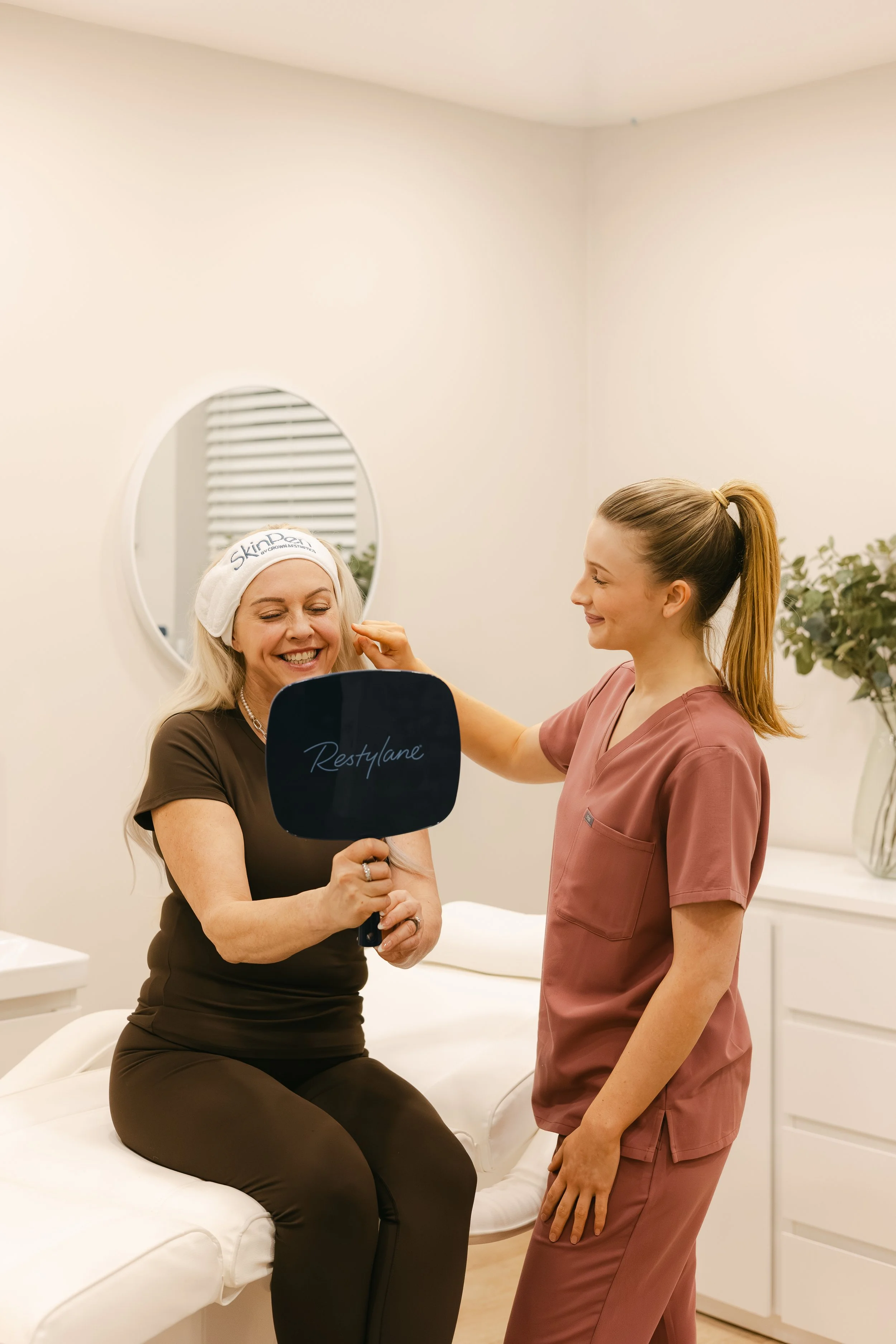
Acne scarring is one of the most persistent and emotionally significant skin concerns that patients bring to Your Beauty Doctor in Nottingham. For many people, the acne itself resolved years ago, but the structural marks it left behind remain visible in everyday lighting, affecting confidence and making makeup feel like a necessity rather than a choice.
SkinPen microneedling is one of the most clinically evidenced treatments available for acne scarring. It is FDA-cleared specifically for this indication, which means its effectiveness for improving acne scars has been reviewed and confirmed through controlled clinical trials. At Your Beauty Doctor, Dr Jessica Halliley & her team deliver SkinPen as the primary treatment for patients seeking meaningful, progressive improvement in acne scar visibility.
This guide explains which scar types respond best, how the treatment works, what results to realistically expect, and how many sessions are typically needed.
Understanding Acne Scar Types
Not all acne scars are the same, and the type of scarring you have plays a significant role in how well it responds to microneedling. At Your Beauty Doctor, we assess scar type during your consultation to determine the most appropriate treatment plan.
Rolling Scars
Rolling scars create a wave-like, undulating surface across the skin. They are caused by fibrous tissue bands that tether the skin surface to deeper layers. Rolling scars tend to respond well to SkinPen microneedling because the collagen stimulation helps release and remodel the tissue beneath the scar, progressively smoothing the surface over multiple sessions.
Boxcar Scars
Boxcar scars have a defined, angular edge with a flat base. They vary in depth from shallow to moderate. Shallow to moderate boxcar scars typically respond well to SkinPen because new collagen can partially fill the base of the scar over time. Deeper boxcar scars may require a greater number of sessions or a combination treatment approach to achieve the best result.
Ice Pick Scars
Ice pick scars are narrow, deep channels in the skin, often resembling enlarged pores. They are the most difficult acne scar type to improve with any single treatment. SkinPen can improve overall skin texture and the appearance of the surrounding skin, but deep ice pick scars may benefit from a combination approach. Dr Halliley will discuss realistic expectations for ice pick scarring during your consultation at Your Beauty Doctor.
Post-Inflammatory Hyperpigmentation
Post-inflammatory hyperpigmentation (PIH) refers to the flat, discoloured marks left behind after acne resolves. These are not true structural scars but are often perceived as scarring by patients. SkinPen microneedling can help to improve skin tone and reduce the prominence of PIH, particularly when combined with appropriate medical-grade skincare. we can discuss this distinction and what to realistically expect during your appointment.
How SkinPen Stimulates Acne Scar Improvement
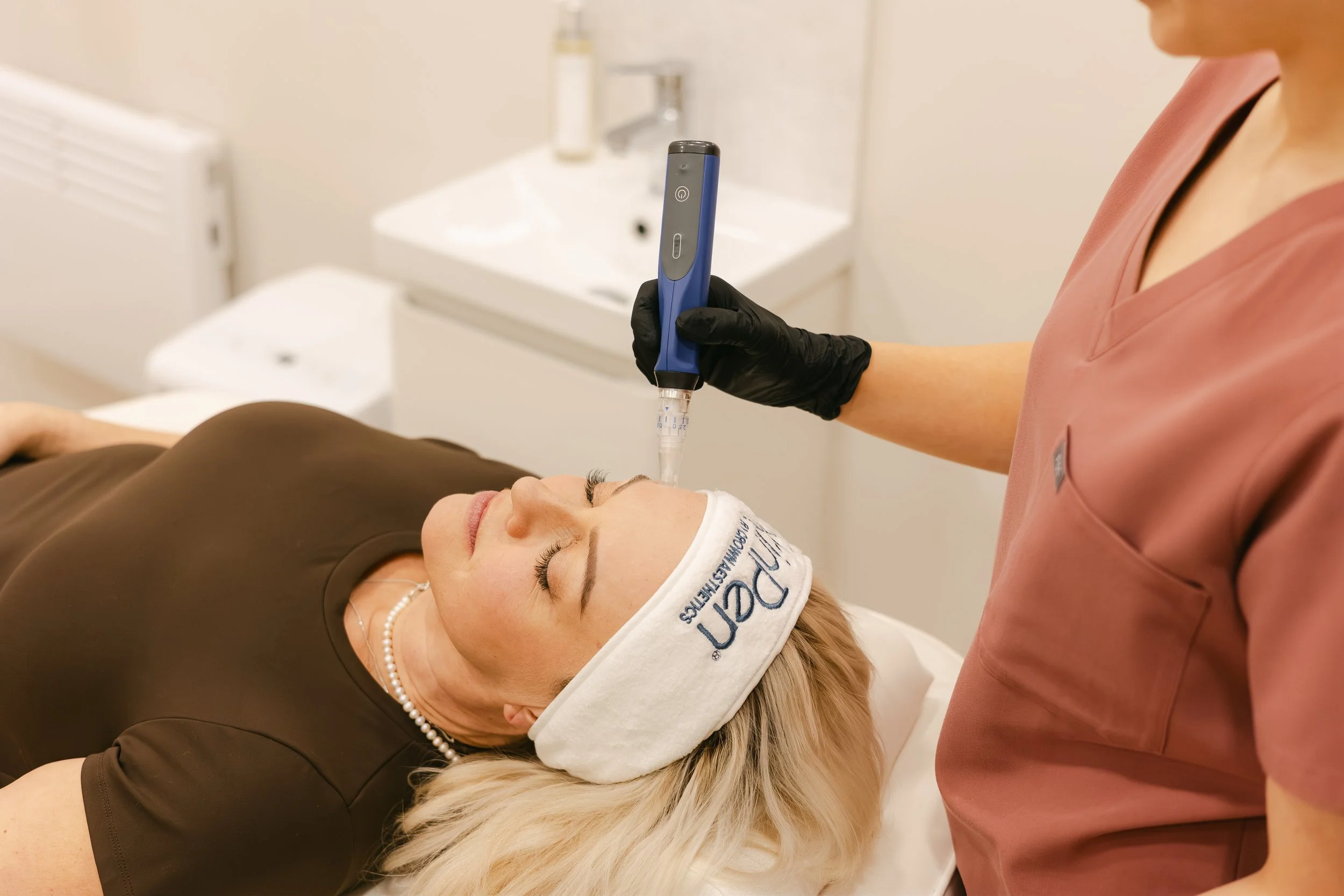
SkinPen creates thousands of controlled micro-channels in the skin using ultra-fine, single-use sterile needles. This triggers the skin's natural wound-healing cascade, which progresses through three key phases:
Inflammation phase: The skin responds to the controlled micro-injuries by initiating its natural repair process, increasing blood flow and activating fibroblasts
Proliferation phase: Fibroblasts produce new collagen and elastin fibres, strengthening the dermal structure beneath the scar tissue
Remodelling phase: Over weeks and months, the new collagen matures and reorganises, which gradually softens and fills the scar from beneath
Because SkinPen is FDA-cleared specifically for acne scar improvement, the clinical protocols used at Your Beauty Doctor are based on the same treatment parameters validated in the trials that supported this clearance. This is an important distinction from clinics using unregulated devices with no published evidence for scar treatment.
What Results Can You Realistically Expect from Skinpen for acne scaring?
Managing expectations before starting a course of SkinPen for acne scars is something Dr Halliley and the team take seriously at Your Beauty Doctor. The goal of treatment is meaningful, progressive improvement, not complete removal of scarring.
Patients who complete a full course of SkinPen at Your Beauty Doctor typically report:
Softer, less defined scar edges that are less visible in natural light
Improved overall skin texture across the treated area
Better skin tone and a more even complexion
Reduced depth in rolling and moderate boxcar scars
Increased skin firmness and a healthier overall skin quality
The degree of improvement will vary depending on scar type and depth, skin type, how consistently the treatment course is completed, and the skincare regime followed between sessions.
SkinPen will not erase scars entirely. For patients with deep or complex scarring, it is part of an ongoing management plan rather than a one-off fix. Dr Halliley and the team of experienced Skin Therapists will set clear, honest expectations during your consultation at Your Beauty Doctor so you can decide whether the treatment aligns with your goals.
How Many SkinPen Sessions Are Needed for Acne Scars?
Acne scar treatment requires more Skinpen sessions than general skin texture improvement because the goal is to remodel structural tissue rather than simply stimulate surface collagen. At Your Beauty Doctor, the typical recommendation for acne scar treatment is 4 to 6 sessions spaced 4 to 6 weeks apart.
Patients with mild to moderate rolling or boxcar scars may see significant improvement within 4 Skinpen sessions. Those with deeper or more widespread scarring are likely to benefit from 5 to 6 Skinpen sessions and may continue to see improvement with annual maintenance treatments thereafter.
Dr Halliley’s team will assess your specific scarring during your consultation at Your Beauty Doctor and recommend the most appropriate number of sessions based on what she observes rather than a standardised package.
Can SkinPen Be Combined with Other Treatments for Acne Scars?
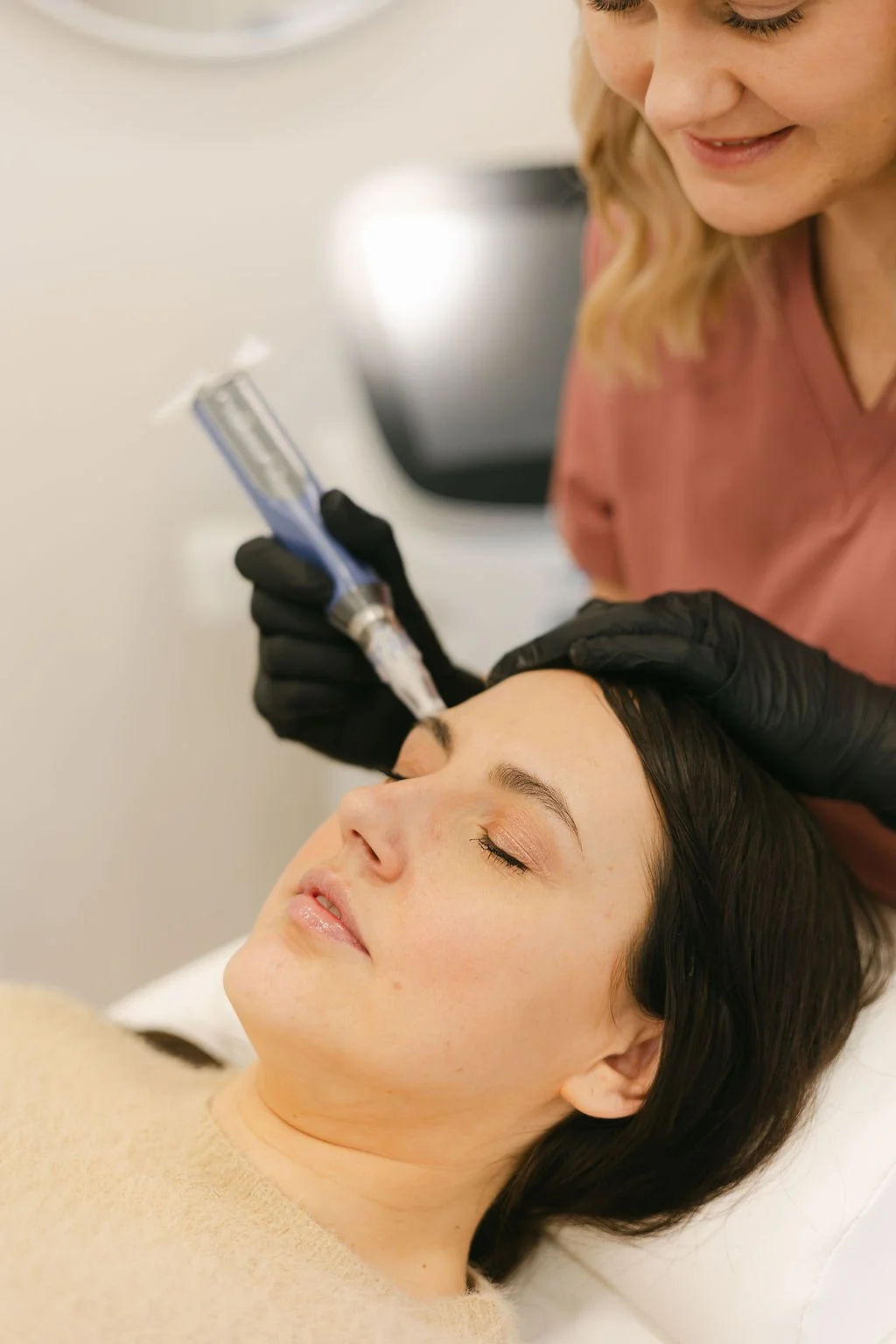
Yes, and in some cases a combination approach produces better outcomes than SkinPen alone. At Your Beauty Doctor, Dr Halliley & the team may recommend combining SkinPen with:
Exosomes applied during the SkinPen session to enhance the collagen-stimulating response and accelerate skin recovery
Medical-grade skincare prescribed between sessions to support skin renewal and address post-inflammatory pigmentation
Chemical peels for patients with significant PIH alongside structural scarring
The right combination will depend on your scar type, skin type and overall skin health. Which will be discussed during your consultation at Your Beauty Doctor.
Who Is a Good Candidate for SkinPen Acne Scar Treatment?
SkinPen microneedling for acne scars is suitable for most patients with stable, non-active acne and established scar tissue. You are likely to be a good candidate if:
Your acne is under control and you are not experiencing active, inflamed breakouts
You have rolling, boxcar or shallow ice pick scars that affect your skin texture
You are looking for a gradual, progressive improvement over a treatment course
You are committed to completing the recommended number of sessions and following aftercare guidance
SkinPen is not appropriate during active acne flares, as the treatment creates micro-channels in the skin that could spread bacteria. If you are currently managing active acne, Dr Halliley & the team will advise on the right timing to begin SkinPen at Your Beauty Doctor, Nottingham.
Book Acne Scar Treatment at Your Beauty Doctor Nottingham
If acne scarring is affecting your confidence and you are looking for a clinically evidenced treatment in Nottingham, Your Beauty Doctor offers SkinPen microneedling delivered by Dr Jessica Halliley’s team of experienced Skin Therapists in a medical-grade environment.
To book a consultation or find out more about acne scar treatment at Your Beauty Doctor, visit yourbeautydoctor.co.uk or contact the clinic directly.
Frequently Asked Questions About SkinPen
Can microneedling completely remove acne scars?
No treatment can completely remove structural acne scars, and Your Beauty Doctor will always set honest expectations before starting a course of treatment. SkinPen can produce meaningful, visible improvement in scar depth, texture and overall skin quality over a treatment course, but the goal is significant reduction rather than complete erasure.
How many SkinPen sessions are needed for acne scars?
Most patients at Your Beauty Doctor need between 4 and 6 Skinpen sessions for acne scar treatment, spaced 4 to 6 weeks apart. The exact number depends on scar type, depth and distribution. Dr Halliley & the team will recommend a specific plan during your consultation.
Can I have SkinPen if I still have active acne?
SkinPen is not performed on skin with active, inflamed acne. The micro-channels created during treatment could spread bacteria and worsen active breakouts. Dr Halliley & the team at Your Beauty Doctor will advise on the right timing for treatment once your acne is stable.
Is SkinPen or a chemical peel better for acne scars?
This depends on the type of scarring. Chemical peels are more effective for post-inflammatory hyperpigmentation and surface skin renewal, while SkinPen is more effective for structural scars such as rolling and boxcar types. Dr Halliley & the team at Your Beauty Doctor will assess your specific concerns and recommend the most appropriate treatment, or a combination of both, during your consultation.
Does SkinPen for acne scars hurt?
A topical numbing cream is applied at Your Beauty Doctor before every SkinPen session, which significantly reduces discomfort. Most patients describe the sensation as mild pressure or a light scratching feeling rather than pain.
When will I see results from SkinPen for acne scars?
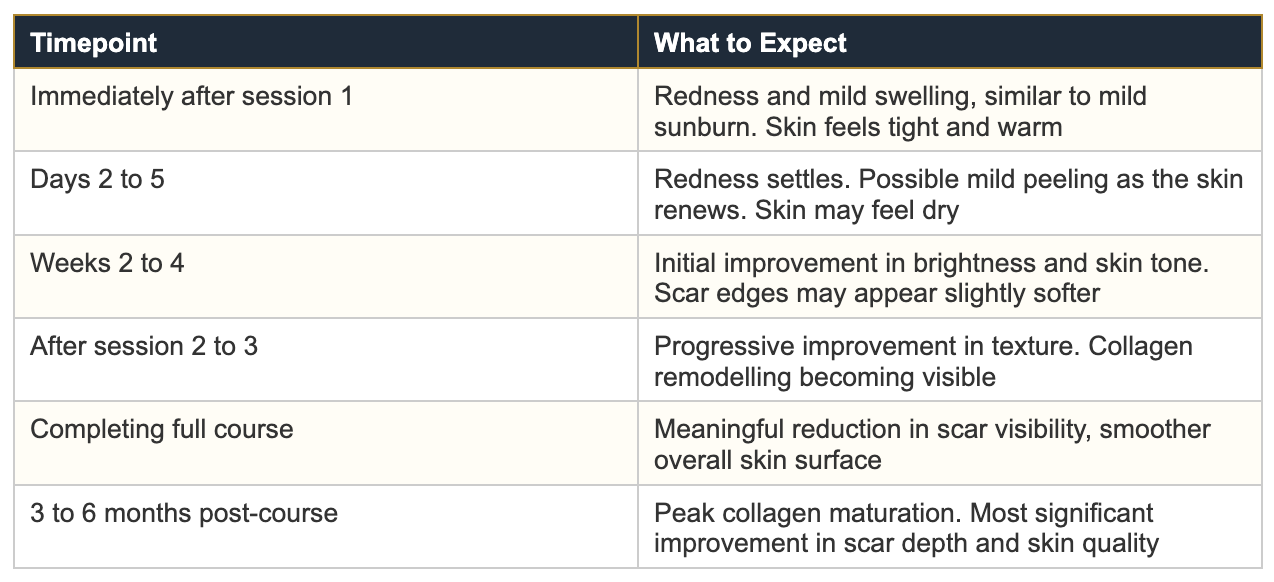
Some initial improvement in skin brightness and texture may be visible within two to four weeks of the first Skinpen session. The most significant improvement in scar visibility develops over three to six months as the new collagen matures. Completing the full recommended course at Your Beauty Doctor is important for the best outcome.
Blog Author: Dr Jessica Halliley - MBCHB(HONS) MRCGP DRCOG PGDIPAES
Date Written: 15 June 2026