

Treating Melasma with Moxi Laser in Nottingham: A Dr-Led approach to a Complex Skin Condition.
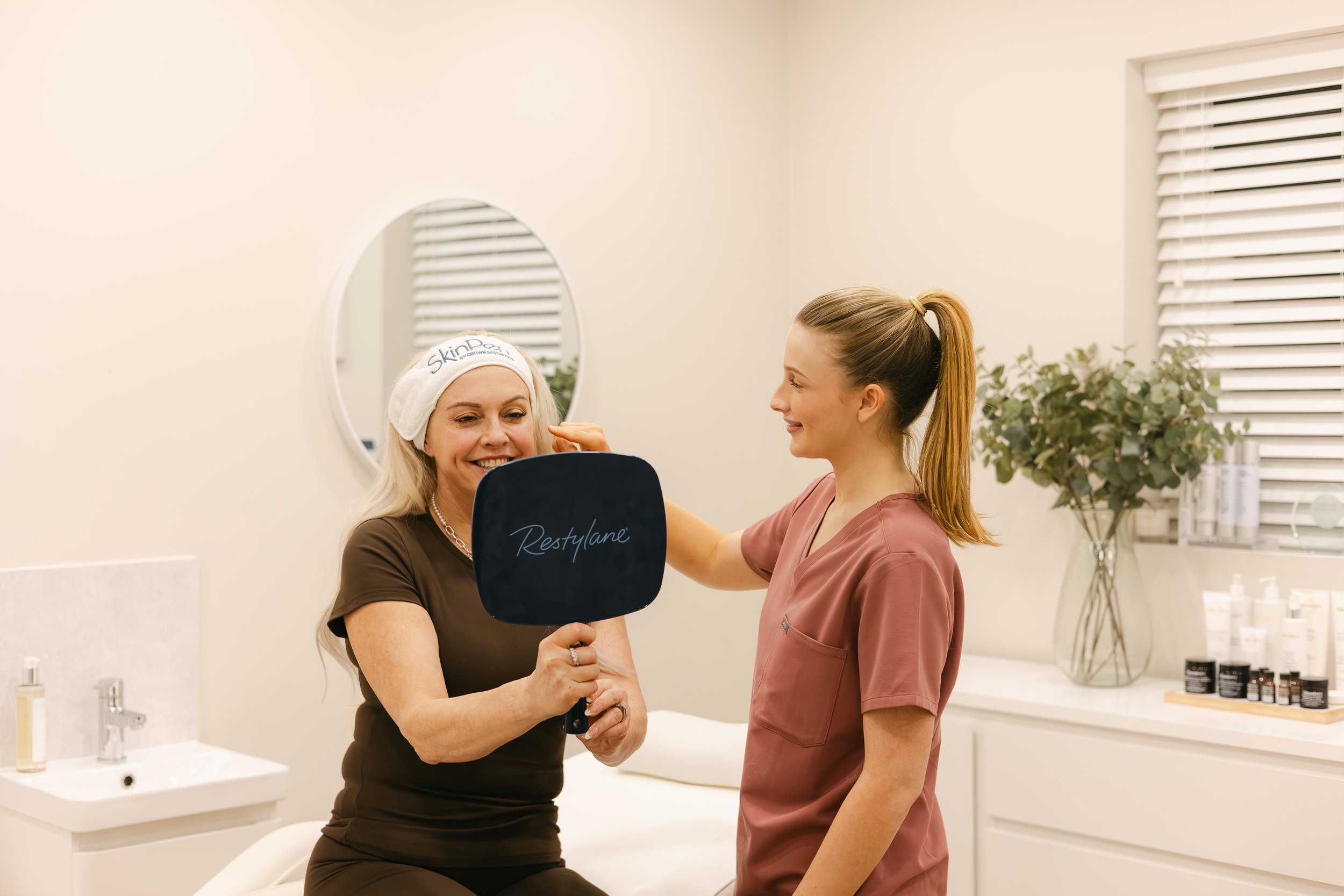
Melasma is one of the most challenging pigmentation conditions we treat in the clinic. Not because it’s untreatable, but because it is often misunderstood, mistreated, and oversimplified.
As a medical doctor with a passion for skin health, my approach to leading the melasma treatment protocols in clinic are not a “quick fix”. Remember, it is a chronic condition that requires long-term management for optimum results. True melasma management requires medical understanding, careful treatment selection, and commitment from both our team and the patient.
At our Nottingham clinic, we focus on safe, evidence-based treatments that respect the biology of melasma - improving the skin without triggering rebound pigmentation or long-term damage.
What is Melasma?
Melasma is a chronic disorder of pigmentation, characterised by symmetrical brown or grey-brown patches, most commonly affecting the:
Cheeks
Forehead
Upper lip
Jawline
Unlike sun spots, melasma is not purely superficial. Pigment can sit in:
The epidermis
The dermis
Or both
This depth is one of the reasons melasma requires specialist management rather than aggressive treatments.
What triggers Melasma?
Understanding triggers is fundamental to successful treatment. Melasma is multifactorial, meaning several factors often work together.
Common triggers include:
UV and visible light exposure (even through windows)
Hormonal changes
Pregnancy or Fertility treatments
Oral contraceptives
HRT
Heat and inflammation
Genetic predisposition
Skin barrier disruption
This is why melasma cannot be “lasered away” aggressively - doing so often worsens pigmentation long-term.
Why Many Melasma Treatments Fail.
One of the biggest issues I see is overtreatment.
Excessive heat
High-energy lasers
Overuse of strong peels
Poor skincare and SPF compliance
These approaches may give short-term improvement but often lead to rebound melasma, which can be darker and more resistant than before.
Melasma should be treated as a chronic skin condition, similar to acne or rosacea, not a one-off cosmetic concern.
Our Medical Approach to Melasma in our Mapperley Clinic.
Consultation, Skin Analysis & Diagnosis: Every melasma journey begins with a detailed consultation assessing:
Fitzpatrick skin type
Depth and pattern of pigment (using state of the art skin scanning technology)
Hormonal history
Lifestyle and sun exposure
Previous treatments
Risk of post-inflammatory hyperpigmentation
Only once this is understood do we build a treatment plan.
Laser Treatment for Melasma: A Cautious, Evidence-Based Role
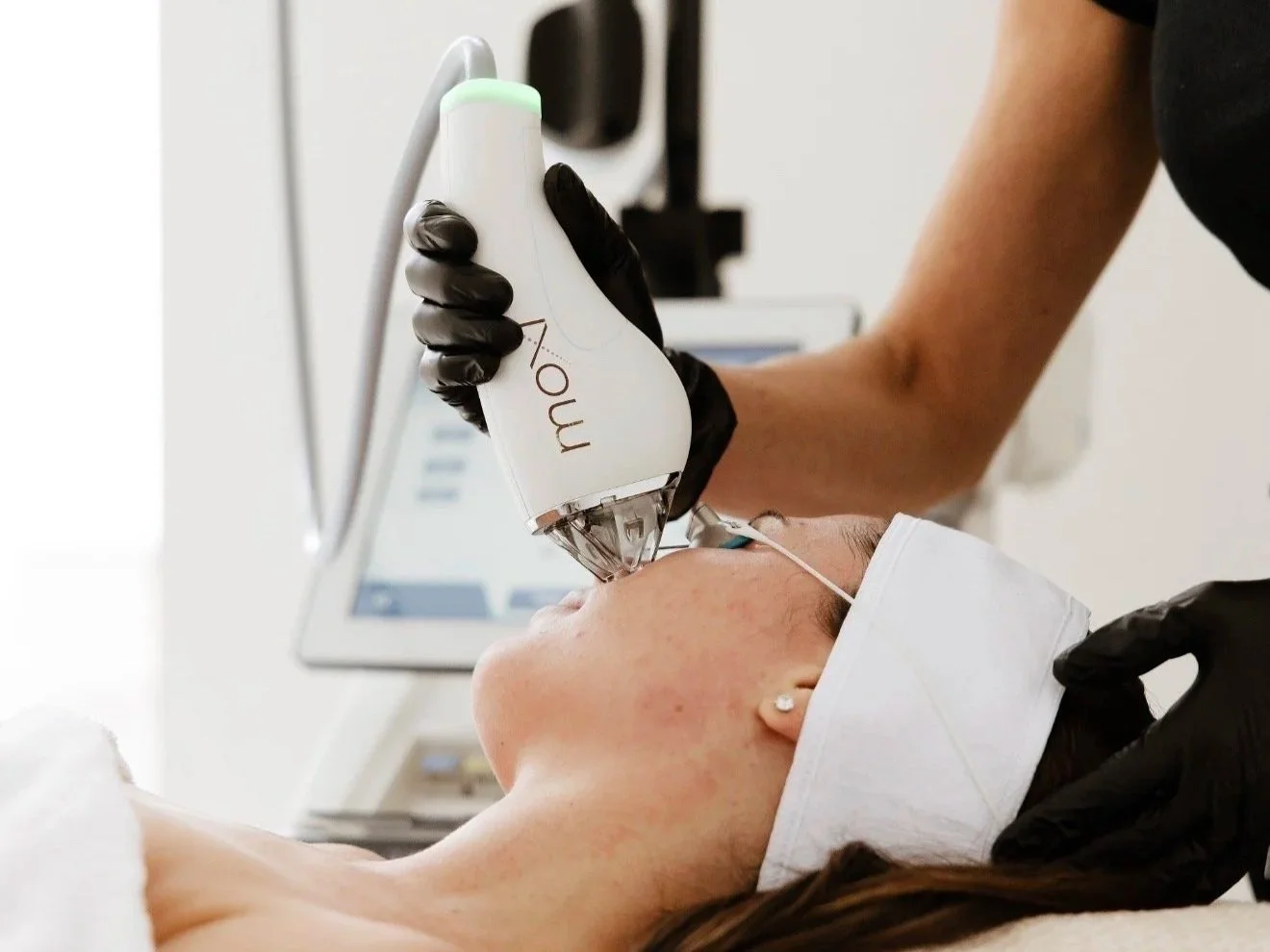
MOXI™ Laser
MOXI can be used selectively in melasma patients to:
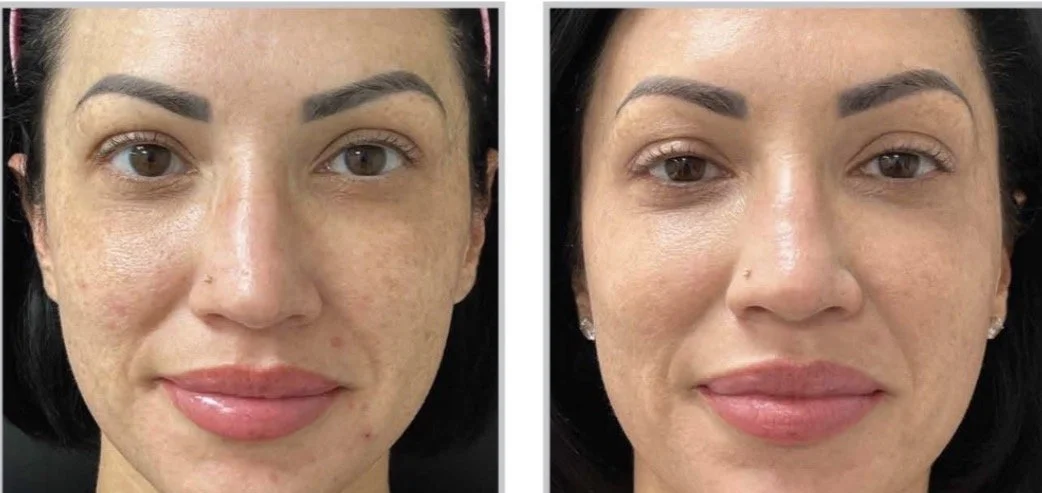
Improve skin texture
Strengthen the dermal environment
Support pigment regulation and fade pre-existing pigmentation.
Treatments are spaced 4 weeks apart to minimise inflammation.
Combining Treatments for Safer, Better Results
Melasma responds best to combination therapy, targeting pigment production, inflammation, and skin barrier health simultaneously.
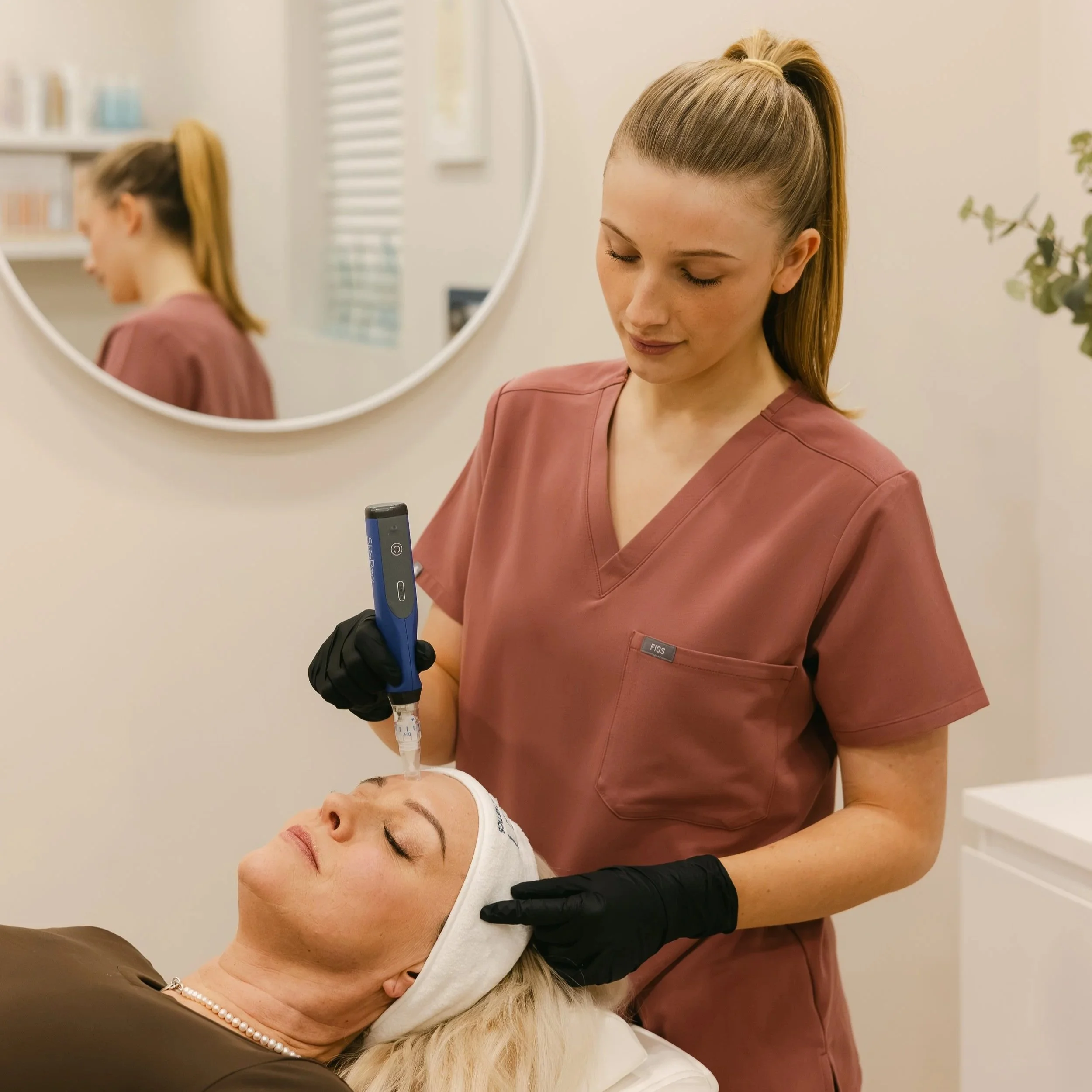
Skinpen Microneedling
Improves skin resilience and collagen support
Improves how well your topical pigmentation products are absorbed, helping them work more efficiently.
Polynucleotide Injections
Support skin repair at a cellular level
Improve inflammation control and barrier function
These treatments work synergistically, improving skin health while reducing melasma flare risk.
Medical-Grade Skincare: The Foundation of Melasma Control
No melasma treatment will succeed without consistent home care.
At my clinic, we prescribe evidence-based skincare
These formulations help to:
Even out skin tone
Keep the skin strong and healthy
Smooth the skin gently
Reduce redness, inflammation & irritation
Skincare is not optional - it is treatment, and is absolutely essential when treating complex skin conditions.
SPF: The Non-Negotiable Step
Melasma is triggered not just by UV, but also visible light and heat.
I strongly recommend tinted, broad-spectrum SPF daily - and yes, even in winter and indoors.
Some of my personal favourites are the Intradermology Synergy-6 and AlumierMD Sheer Hydration available in clinic.
Medical-grade SPFs:
Provide strong protection against visible light, which is vital for preventing pigmentation.
Have weightless formulas that feel good on the skin with no white cast or pilling under makeup.
Are easy to use daily, helping patients stay consistent with their SPF all year round.
Long-Term Maintenance: Setting Realistic Expectations
Melasma is a chronic skin condition that cannot be “cured” - but it can be controlled.
Successful patients understand that:
Maintenance treatments are essential
Skincare must be ongoing
Hormonal changes may trigger flares
Sun protection is lifelong
Questions patients often ask, about Melasma Treatment:
Q: Can melasma be completely removed?
A: It cannot be ‘cured’ - but it can be controlled and stabilised with the correct medical approach.
Q: Is laser treatment safe for Melasma?
A: In selected patients, with the right device and experience, yes - we see many patients with Melasma in our Nottingham based, Dr-Led clinic experiencing great results. Moxi Laser is able to treat the Melasma safely.
Q: How long before I see results?
A: Improvements are gradual with most patients notice changes after 3 treatments, spread 4 weeks apart.
Q: Will Melasma come back?
A: Melasma can recur if triggers return - this is why maintenance is critical and UV exposure minimised.
Why Choose a Doctor-Led Clinic in Nottingham?
Melasma is not a cosmetic inconvenience - it is a medical pigment disorder.
At my Nottingham clinic, treatment protocols are:
Doctor-led
Individualised
Evidence-based
Focused on long-term skin health
Honest about outcomes and maintenance
Your skin deserves expertise, patience, and respect.
Ready to Start Your Melasma Journey?
If you’re struggling with melasma and looking for safe, realistic, medically guided treatment in Nottingham, we’d be delighted to help you in our award-winning Mapperley Skin Clinic.
Book a consultation and let’s build a plan that works with your skin - not against it.