

Polynucleotides for Under the Eyes: A Patient’s Guide
Do your under eyes look tired even after a full night's sleep? Have you heard about "salmon DNA" injections and wondered whether they are just the latest trend? And would they actually make a difference to your eyes?
Polynucleotides under the eyes are one of the most asked-about treatments at our Nottingham clinic right now. This guide explains what they are, how they work, who they suit (and who they don't), and what results you can realistically expect.
Do polynucleotides work under the eyes?
For the right patient, yes. Polynucleotides improve the quality of thin, crepey under-eye skin over a course of treatments, helping it look smoother, brighter and less tired. They do not add volume, so they are not a replacement for tear trough filler when the main concern is a deep hollow.
How polynucleotides work
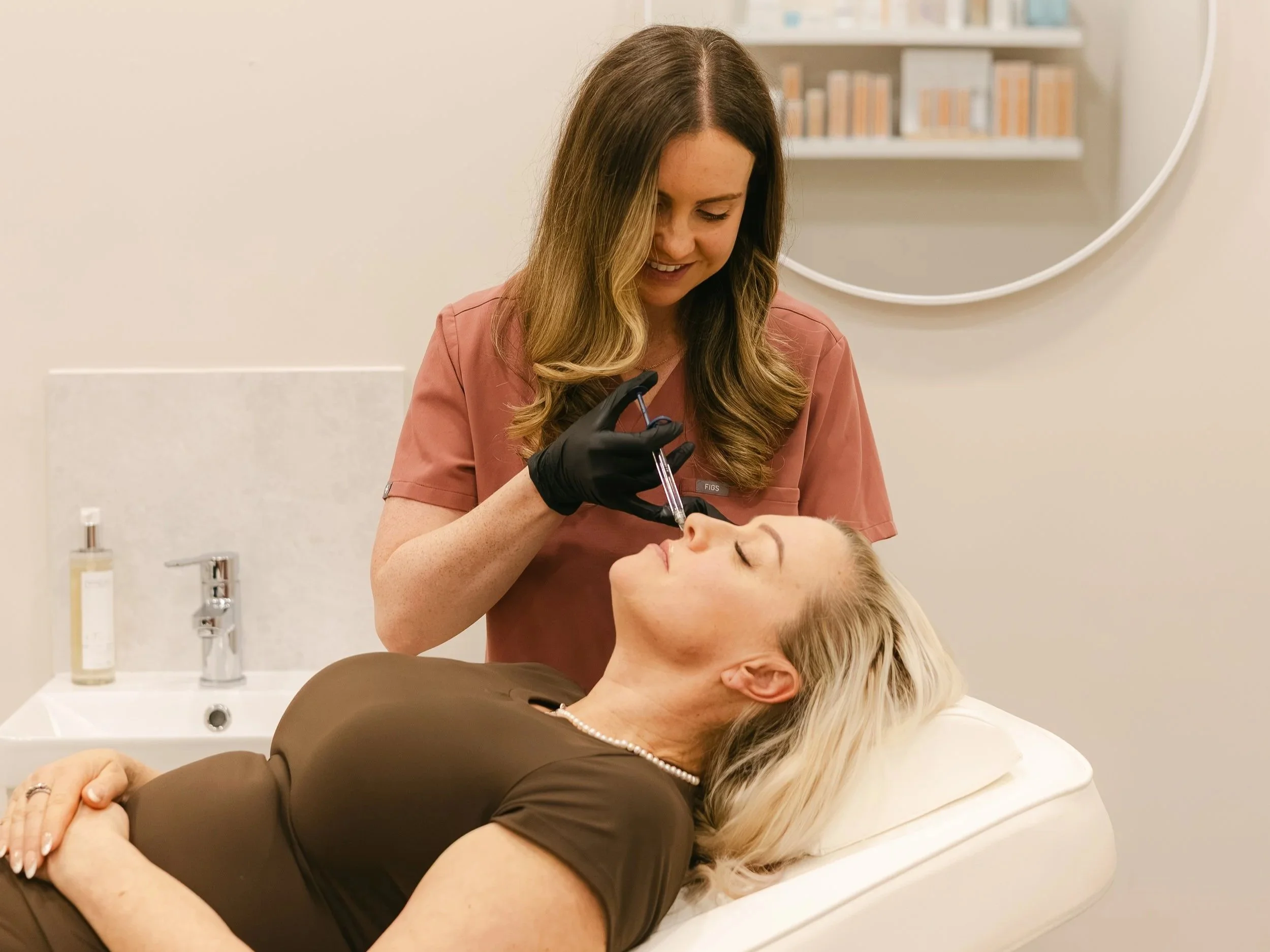
Polynucleotides are highly purified fragments of DNA, usually taken from salmon or trout. That is where the "salmon sperm" headlines come from. The material is processed and purified to a medical standard before it is used, so there is nothing fishy about the treatment itself.
Once injected into the skin, polynucleotides support the skin's own repair processes. They help the skin hold on to moisture, calm low-level inflammation and encourage the production of new collagen and elastin over the following weeks. The skin under the eyes is some of the thinnest on the face, which is why it is often the first area to look tired, lined or shadowy. Improving the quality of that skin is what makes the difference.
This is a regenerative treatment rather than a filler. It works with your body, which means results build gradually and look natural, rather than appearing overnight.
Is Your Under-Eye Concern a Good Fit for Polynucleotides?
Polynucleotides are a good option if you have:
thin or crepey skin under the eyes
fine lines that show more when you smile
mild shadowing where the skin is thin enough for the colour underneath to show through
under eyes that look tired even when you feel rested
They may not be right for you if:
you have a deep tear trough hollow. Polynucleotides improve skin quality but will not lift or fill a hollow. Tear trough filler may be the better first step.
your main concern is puffy bags. Bags caused by fat pads or fluid are not something an injectable can correct.
your dark circles are caused by pigmentation. Brown colouring in the skin needs a different approach. Our guide to dark circles under the eyes explains the different causes.
you have a fish or salmon allergy, or you are pregnant or breastfeeding.
This is why every treatment starts with a consultation. Dark circles and tired eyes often have more than one cause, and choosing the right treatment depends on which one is at play.
Polynucleotides vs Tear trough filler vs Sunekos for the eyes
These three treatments are often mentioned together, but they do different jobs.
| Treatment | What it does | Typical course | Best for |
|---|---|---|---|
| Polynucleotides | Improves skin quality and supports repair | Course of 3 | Thin, crepey, tired-looking skin |
| Tear trough filler | Adds support to a hollow | Usually 1 session | A visible hollow or groove |
| Sunekos | Hydrates and supports collagen and elastin | Course of 3 | Fine lines and dehydrated skin |
Some patients benefit from a combination. For example, polynucleotides can improve the skin first, and a small amount of filler can then be added if a hollow is still visible. Dr Jess will talk you through the order that makes most sense for you.
Results and timeline
Polynucleotides under the eyes are usually given as a course of three treatments, spaced a few weeks apart. Each appointment is quick, and a numbing cream helps keep you comfortable.
Straight after treatment you may see small raised bumps where the product was placed. These usually settle within 24 to 48 hours. Mild swelling or a small bruise is possible, so it is best not to book treatment right before a big event.
Most patients start to notice brighter, smoother skin a few weeks after their first session. Results keep improving through the course and for several weeks after the final treatment, as new collagen forms. To keep results going, a maintenance session is usually recommended every six to twelve months.

Dr Jess's insight
"Polynucleotides are one of the treatments I trust most for the under-eye area, because they improve the skin rather than just covering a problem. I train other practitioners to use them, and the thing I always stress is patient selection. If someone has a deep hollow or puffy bags, I will tell them honestly that polynucleotides alone won't give them the result they are hoping for."
Dr Jessica Halliley
Dr Jess administers all polynucleotide treatments herself at our clinic. She also teaches the technique on her Ameela polynucleotides training course for other practitioners.
Is it worth it?
Polynucleotides are a gentle, regenerative option for tired under eyes caused by thin, crepey skin, with results that build gradually over a course. At Your Beauty Doctor, every polynucleotide treatment is planned and administered by Dr Jess after a full consultation. To find out whether they are right for you, visit our polynucleotides treatment page.
Visit us
Your Beauty Doctor is at 1A Whittingham Road, Mapperley, Nottingham NG3 6BL, a short drive from Nottingham city centre. To book a consultation with Dr Jess, call us on 0115 795 3453 or book online.
Frequently Asked Questions about Under the eyes Polynucleotides
Are polynucleotides made from salmon sperm?
Polynucleotides are purified DNA fragments, usually taken from salmon or trout, which is where the "salmon sperm" name comes from. The material is highly purified to a medical standard before use. If you have a fish allergy, polynucleotides are not suitable for you.
Do polynucleotides under the eyes hurt?
Most patients describe polynucleotides under the eyes as a mild scratching or stinging feeling. A numbing cream is applied beforehand, and each appointment is quick. Any small bumps usually settle within a day or two.
How many polynucleotide sessions do I need for under-eye results?
Most patients need a course of three polynucleotide sessions, spaced a few weeks apart. Results build gradually through the course and for several weeks afterwards. A maintenance session every six to twelve months helps keep them going.
How much do polynucleotides under the eyes cost at Your Beauty Doctor?
A course of three polynucleotide treatments for the eyes at Your Beauty Doctor is [PRICE: polynucleotides eyes, course of 3]. The exact plan depends on your skin, which Dr Jess assesses at your consultation.
Polynucleotides or tear trough filler: which is better for under-eye hollows?
It depends on the cause. Polynucleotides improve thin, crepey skin, while tear trough filler supports a visible hollow. Some patients benefit from both, and Dr Jess will recommend the right order at your consultation.
